Hair porosity test
Hair porosity is how easily your hair takes in water and how long it holds on to it. You can check it at home in a few minutes with three simple tests, then pick products that suit it.
What is hair porosity?
Porosity describes the outer layer of each strand, the cuticle. It is made of tiny overlapping scales, a bit like roof tiles. When they lie tight and flat, water has trouble getting in. When they are raised or worn, water gets in fast and leaves just as fast.
Porosity is separate from your hair type. Straight hair can be high porosity and coily hair can be low porosity. Knowing both tells you much more about what your hair needs than either one alone.
Test 1: the float test
- Take a few strands from your brush or comb, from clean hair with no product on it.
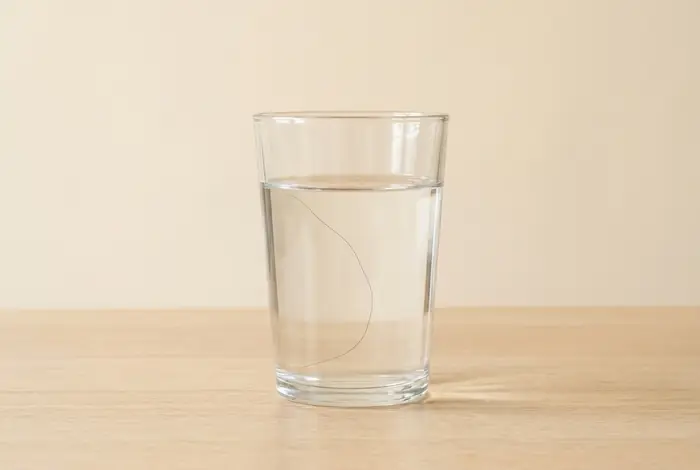
- Drop them into a glass of room temperature water.
- Wait two to four minutes and look.
Strands that float suggest low porosity. Strands that hover in the middle suggest normal porosity. Strands that sink quickly suggest high porosity.
The float test is the best known, but it is not very reliable. Oil, leftover product and the water temperature all change the result. Treat it as a hint and check it with the next two tests.
Test 2: the spray test
Spray a section of clean, dry hair with water and watch for a few seconds. If the water beads on top and sits there, your porosity is probably low. If it soaks in within a few seconds, it is probably high. Somewhere in between points to normal.
Test 3: the slip test
Hold a single strand and slide your fingers from the tip toward the root. Smooth means the cuticle lies flat, which goes with low or normal porosity. Bumpy or rough means the cuticle is raised, which often goes with high porosity.
Low, normal and high porosity compared
| Porosity | Signs | What helps |
|---|---|---|
| Low | Takes long to get wet and long to dry. Products sit on top and build up. | Light, water-based products. Gentle heat when deep conditioning. Clarify now and then. |
| Normal | Gets wet and dries at a normal pace. Holds styles and color well. | A balanced routine. Deep condition every week or two. |
| High | Gets wet fast and dries fast. Often frizzy, dry or tangly. | Richer creams and butters to seal moisture. Protein treatments. Less heat and bleach. |
How to care for low porosity hair
Low porosity hair resists water, so the trick is to help moisture in and avoid buildup. Use lighter, water-based leave-ins and avoid piling on heavy butters, which tend to sit on the surface. Deep condition under a warm towel or a shower cap, because warmth lifts the cuticle a little. A clarifying shampoo every few weeks clears off product that has built up.
How to care for high porosity hair
High porosity hair takes in water easily but loses it fast. Layer a leave-in with a cream, and seal it with an oil or butter. Occasional protein treatments help fill gaps in the cuticle. Rinse with cool water, use a heat protectant and cut back on bleach and hot tools, which are the usual causes.
Can porosity change?
Low porosity is mostly natural and tends to stay. High porosity is often the result of damage from bleach, heat or rough handling, and the damaged lengths stay that way until they grow out. New growth near the roots can have a different porosity than the ends.
Once you know your porosity, find your curl pattern with the free hair type test and put both together in your routine.
Not sure which type you are? Take one close-up of your hair and the free hair type test tells you in seconds.
Check my hair type