Hair type chart
The hair type chart sorts hair into four types, straight, wavy, curly and coily, and splits each into A, B and C from looser to tighter. Find the photo that matches your hair when it dries on its own.
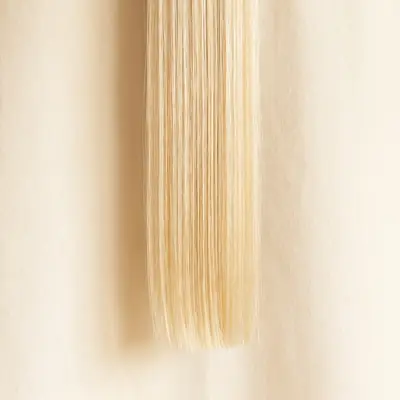
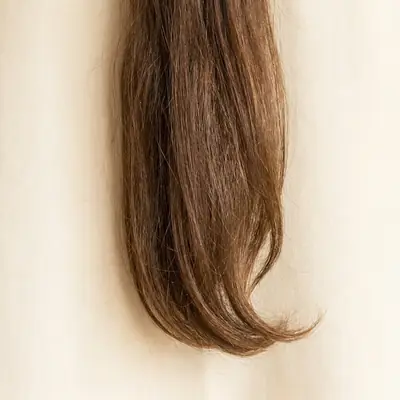
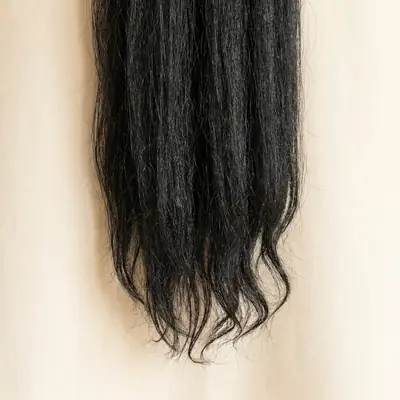
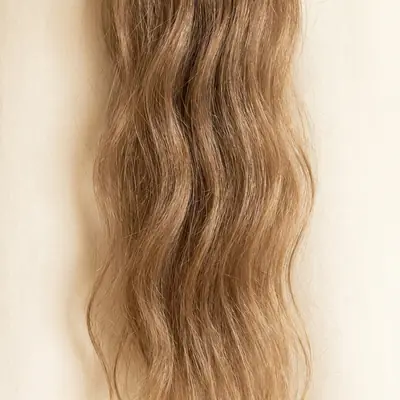
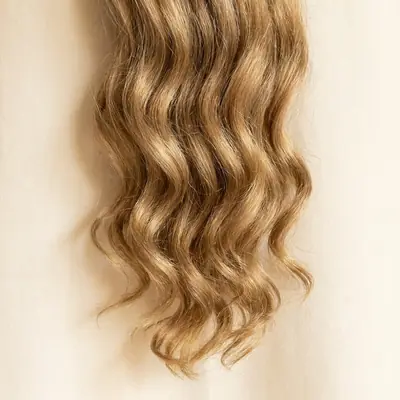
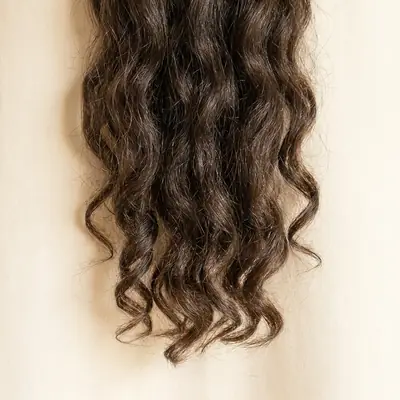
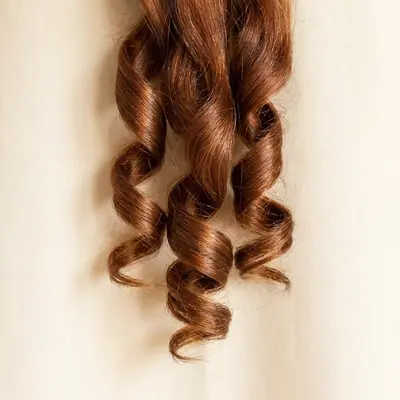
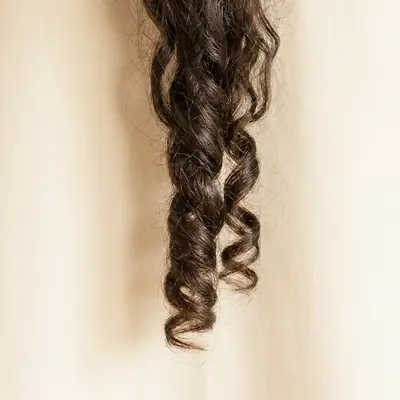
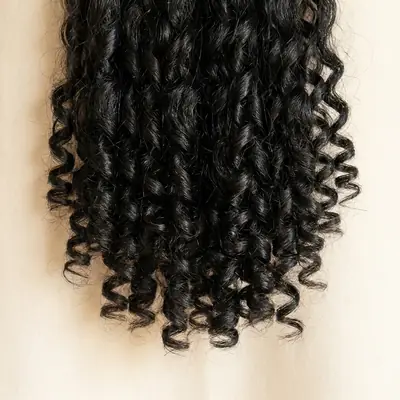
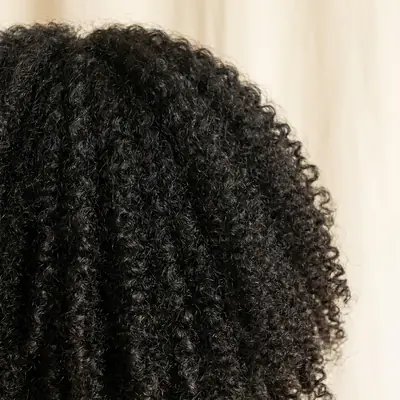
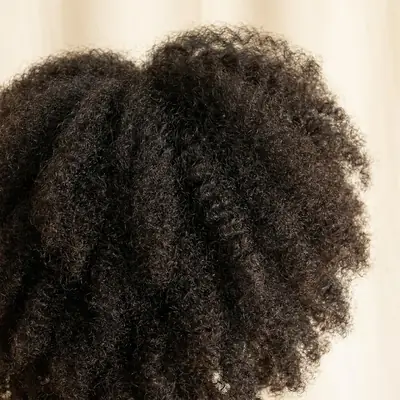
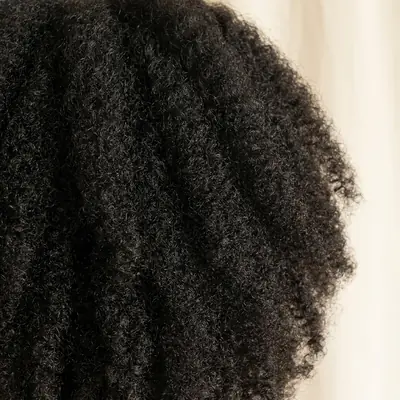
The hair type chart at a glance
Each row is one type. The curl size column gives the everyday comparison stylists use, which is the quickest way to tell neighboring subtypes apart.
| Type | What it looks like | Curl size |
|---|---|---|
| 1A | Fine, soft and completely straight. It lies flat from root to tip and does not hold a curl for long. | No bend at all |
| 1B | Straight with more body. The strands are medium thick and the ends may bend or flip out a little. | A slight bend at the ends |
| 1C | Straight but coarse, with a slight bend or wave in places. It has volume and can turn frizzy in humid air. | A soft bend through the lengths |
| 2A | Fine, loose S-shaped waves that start around eye level. Brushing or heavy products can make them fall flat. | Loose, gentle S-shapes |
| 2B | Defined S-shaped waves from the middle of the hair down. Flatter at the roots, with some frizz on top. | Clear, defined S-shapes |
| 2C | Thick, strong S-waves that start near the roots, with some loose ringlets. Lots of volume and some frizz. | Deep S-waves with a few loose spirals |
| 3A | Big, loose, shiny curls about the width of sidewalk chalk. Defined loops that can lose their shape when touched. | About the width of sidewalk chalk |
| 3B | Springy ringlets about the width of a marker pen. More volume than 3A and a little drier. | About the width of a marker pen |
| 3C | Tight corkscrew curls about the width of a pencil or straw. Dense, voluminous and prone to dryness. | About the width of a pencil or a straw |
| 4A | Tight S-shaped coils about the width of a crochet needle. A visible pattern, soft but fragile, with real shrinkage. | About the width of a crochet needle |
| 4B | A Z-shaped zigzag pattern with sharp bends instead of round coils. Dense, fluffy and very fragile. | Sharp zigzag bends, less defined coils |
| 4C | The tightest coils, with little visible pattern. The densest type, with the most shrinkage, and it needs the most moisture. | Very tight coils with little visible pattern |
Type 1: straight hair
Type 1 hair has no curl pattern. 1A is fine and flat, 1B has more body and a little bend at the ends, and 1C is coarse with a soft wave in places. Straight hair gets oily fastest, because scalp oil slides down the strand easily. It needs light products and more frequent washing.
Type 2: wavy hair
Type 2 hair forms S-shaped waves that lie close to the head. 2A waves are loose and start low, 2B waves are defined from mid-length, and 2C waves start near the roots with some loose ringlets. Wavy hair is easy to weigh down, so it likes mousse and light gels more than heavy creams.
Type 3: curly hair
Type 3 hair forms full loops. 3A curls are about as wide as sidewalk chalk, 3B ringlets are about as wide as a marker pen, and 3C corkscrews are about as wide as a pencil or straw. The tighter the curl, the drier the ends, because oil has trouble traveling down the loops.
Type 4: coily hair
Type 4 hair has tight coils and the most volume. 4A coils have a visible S-pattern about the width of a crochet needle, 4B bends in sharp zigzags, and 4C has the tightest coils with little visible pattern. Coily hair shrinks the most and is the most fragile, so it needs rich moisture and gentle handling.
Where the chart comes from, and its limits
The 1 to 4 system was made popular by the hairstylist Andre Walker in the 1990s. The A to C subtypes were filled in by stylists and curly hair communities after that. It is not a scientific scale, and the borders between subtypes are blurry.
The chart also leaves out things that matter for care, like how thick each strand is, how dense your hair is and how well it holds water. Use your type as a starting point, then check your hair porosity to fine-tune your products.
How to find your type on the chart
- Wash your hair and skip leave-ins, gels and heat.
- Let it dry fully without touching or brushing it.
- Pick a section from the middle of your head and look at its shape and curl size.
- Compare it with the photos above. If it sits between two, read both type pages.
Or let the free hair type test do it from one close-up photo.
Not sure which type you are? Take one close-up of your hair and the free hair type test tells you in seconds.
Check my hair type